
What Does a Notary Actually Do? (And Why You Might Need One Sooner Than You Think)
When most people hear the word “notary,” they picture stacks of legal documents, lawyers’ offices, or maybe even a big real estate closing. While notaries are a key part of those moments, the truth is that notaries are needed far more often than you might think—for both everyday paperwork and life’s big milestones.
So what exactly does a notary do, and why might you need one sooner than later? Let’s break it down in simple terms.
The Role of a Notary, Explained in Plain English
At its core, a notary public is a neutral witness. Their job is to:
Verify your identity (making sure you are who you say you are).
Make sure you’re signing willingly (not under pressure).
Ensure the document is complete and accurate (no blank spaces that could be filled in later).
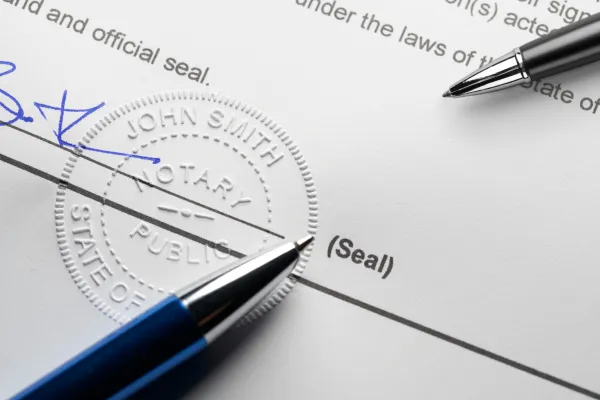
Once the notary is satisfied, they add their official stamp or seal. That stamp transforms an ordinary piece of paper into a trusted, legally recognized document.
Think of it like a safeguard—your proof that the document is authentic, your signature is real, and everything was done above board.
Real-Life Situations Where You’ll Need a Notary
Notaries aren’t just for complicated legal transactions. Here are some everyday examples where having one is essential:
1. Power of Attorney Forms
Whether you’re helping an aging parent manage their affairs or preparing for an emergency, a power of attorney gives someone else the authority to act on your behalf. Almost all of these documents must be notarized to be valid.
2. Real Estate Documents
From refinancing a mortgage to transferring property, real estate transactions almost always involve notarized signatures. A notary ensures both parties are fully present and aware of what they’re signing.
3. Affidavits & Sworn Statements
Need to provide a written statement for court or for an insurance claim? An affidavit requires notarization to prove it was made truthfully under oath.
4. School or Travel Consent Forms
Parents often need notarized consent for children traveling with relatives, participating in sports, or even enrolling in certain school activities. It’s a small step that ensures your child is safe and legally covered.
5. Medical Documents
From advanced healthcare directives to consent for treatment, notarization is often required so medical professionals know the forms are legitimate and enforceable.
Why Notaries Matter More Than You Realize
Life can throw unexpected situations at us—accidents, moves, family transitions, or opportunities that require fast action. Having a notary you can call means you won’t be scrambling at the last minute when an important document needs validation.
In short, notaries help:
Prevent fraud.
Protect your rights.
Give legal weight to important agreements.
Final Thoughts
Notaries aren’t just “stampers of paper.” They’re guardians of trust, ensuring your most important documents are safe, secure, and legally binding.
So, the next time you hear someone mention a notary, remember: it’s not only for closing on a house or dealing with lawyers. It might be for something as simple—and as important—as making sure your child can travel with grandma, or that your healthcare wishes are honored.
👉 Need a notary fast? Whether it’s urgent paperwork or a routine document, we’re here to make the process simple and stress-free. Book your appointment today!
